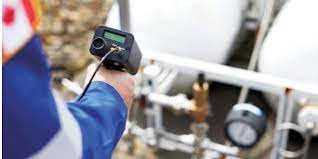
Gas leak detection is a crucial aspect of maintaining safety in various industries and residential settings. The presence of gas leaks poses significant risks such as fire, explosions, and health hazards. Therefore, it is essential to have efficient gas leak detection systems in place to promptly identify and address any potential leaks. These systems utilize advanced technologies and sensors to detect the presence of gas and alert the concerned authorities.
In recent years, the demand for gas leak detection systems has increased due to growing environmental concerns and stringent safety regulations. These systems play a crucial role in industries such as oil and gas, chemical plants, refineries, and even household applications like natural gas supply. With the advancements in technology, gas leak detection systems have become more accurate, reliable, and cost-effective.
Overall, gas leak detection systems are not only essential for ensuring safety but also contribute to minimizing environmental impact and preventing potential disasters. This article will delve into the various methods and technologies utilized in gas leak detection, as well as explore their applications and benefits in different sectors.
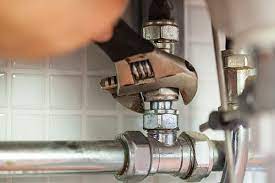
Importance of Gas Leak Detection
Gas leak detection is a crucial aspect of maintaining the safety and well-being of both individuals and properties. The presence of gas leaks can pose significant risks, including fire, explosions, and health hazards.
The Gas Leak Detection process involves using specialized equipment and techniques to identify and locate any gas leaks in a system. This allows for prompt repairs and preventive measures to be taken before any major incidents occur. Regular gas leak detection is particularly important in properties that use natural gas for heating, cooking, or other purposes. By investing in professional gas leak detection services, property owners can ensure the safety of their occupants and protect their assets from potential damage.
In addition to the immediate safety concerns, gas leak detection also plays a crucial role in minimizing environmental impact. Certain gases, such as methane, contribute to the greenhouse effect and climate change. By promptly identifying and addressing gas leaks, the release of these harmful gases can be minimized, thereby reducing the overall environmental impact.
Gas leak detection systems are used in a wide range of industries, including oil and gas, chemical plants, refineries, and even residential applications. In these industries, the risks associated with gas leaks can be especially high due to the scale and complexity of operations. Implementing efficient gas leak detection systems helps these industries comply with safety regulations, prevent accidents, and protect the health and well-being of their employees.
The advancements in technology have greatly improved the accuracy and reliability of gas leak detection systems. Modern systems utilize various technologies such as infrared imaging, laser-based spectroscopy, and ultrasonic sensors to detect even the smallest gas leaks. This enhances the efficiency of detection and allows for swift detection and response to any potential leaks.
In conclusion, gas leak detection is an integral part of ensuring safety and preventing potential disasters in various industries and residential settings. These systems not only safeguard lives and property but also contribute to minimizing environmental impact. The continuous advancements in technology have made gas leak detection systems more accurate, reliable, and cost-effective, making them an essential investment for any organization or individual utilizing gas systems.