Spray foam insulation is gaining popularity as a cost-effective and energy-efficient solution for homeowners. With the rising cost of energy and the increasing need to reduce carbon footprint, many individuals are turning to spray foam insulation as a reliable option. It is a type of insulation that is sprayed into the walls, roofs, and attics of a home, creating a seamless layer that provides effective air sealing and thermal insulation.
Unlike traditional insulation materials, spray foam expands rapidly and fills in all crevices and gaps. This ensures that there are no leaks or drafts, improving the overall energy efficiency of the building. Additionally, spray foam insulation has a high R-value, which measures its ability to resist heat flow. This means that homes with spray foam insulation can maintain a consistent indoor temperature, reducing the need for heating or cooling systems and lowering energy bills. In this article, we will explore the benefits, installation process, and cost-effectiveness of spray foam insulation, providing homeowners with valuable information to make informed decisions about their insulation needs.
 What is Spray Foam Insulation?
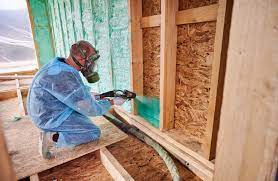
Spray foam insulation is a popular alternative to traditional insulation materials such as fiberglass or cellulose. It is a type of insulation that is sprayed onto surfaces, where it expands and hardens, creating a seal that helps to prevent air and moisture from entering or escaping a building.
Unlike other forms of insulation, spray foam insulation can be used in a variety of locations, including walls, attics, roofs, and crawl spaces. It is known for its versatility and ability to provide a high level of insulation compared to other materials. One of the advantages of spray foam insulation is its ability to fill gaps and cracks, providing a seamless and airtight barrier. Explore the website to learn more about the steps that need to be taken before installing spray foam insulation.
Spray foam insulation offers numerous benefits to homeowners. Firstly, its ability to expand and fill in all crevices and gaps ensures that there are no leaks or drafts, resulting in improved energy efficiency. This leads to a consistent indoor temperature, reducing the need for heating or cooling systems and ultimately lowering energy bills. Additionally, spray foam insulation has a high R-value, meaning it effectively resists heat flow. This makes it a reliable solution for maintaining a comfortable living environment. Furthermore, spray foam insulation is versatile and can be used in various locations within a building, providing a seamless and airtight barrier. Overall, spray foam insulation is a cost-effective and energy-efficient choice for homeowners seeking to reduce their carbon footprint and increase the efficiency of their homes.